


At Windmill Orchards, we grow a wide range of organic apple varieties, from well-loved favourites to traditional heritage apples. Our most popular apples include Katy, Fiesta, Discovery, and Cox, known for their crisp texture and balanced flavour. Alongside these, we proudly cultivate a collection of heritage varieties, including Ribston Pippin, Lord Lambourne, Bramley’s Seedling, Elstar, Egremont Russet, Charles Ross, Worcester Pearmain, Ashmead’s Kernel, and Blenheim Orange. Grown in our organic orchards, each variety offers its own distinctive character, reflecting the rich diversity and seasonal beauty of traditional apple growing.
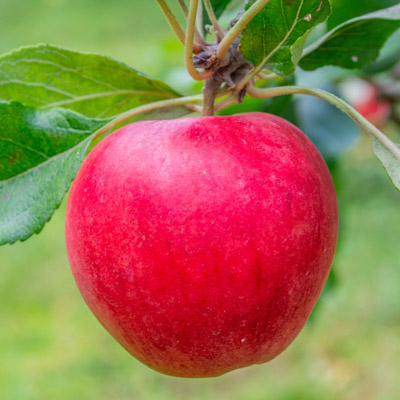
Katy is an attractive early-season apple known for its bright colour, refreshing flavour, and exceptional juiciness. It is easy to enjoy fresh from the tree and is popular with both children and adults thanks to its mild sweetness and lively character. In addition to being a pleasant eating apple, Katy is also excellent for juicing and can be used in simple baking, making it a versatile variety in the orchard.
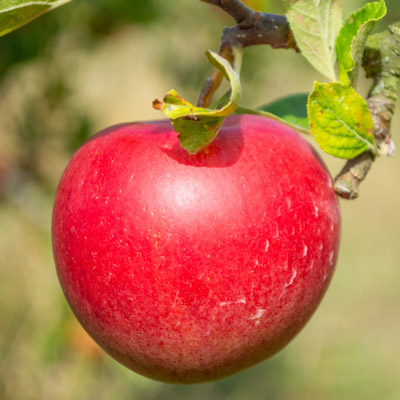
Fiesta, sometimes known as Red Pippin, is a modern English apple variety developed in Kent in the 1970s. It was bred to capture much of the famous flavour of Cox’s Orange Pippin while being easier to grow and more reliable. The result is a crisp, juicy apple with a pleasant balance of sweetness and acidity and a rich, aromatic character that reflects its Cox heritage.
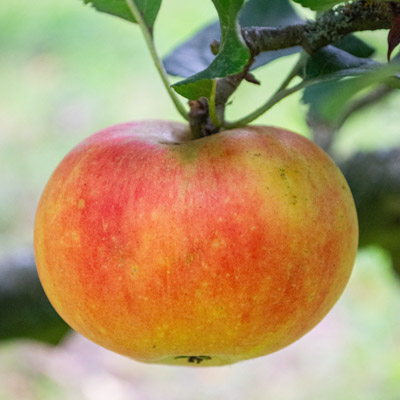
Discovery is one of the most popular early-season English apples and is often among the first locally grown apples available each year. Its appeal lies in its freshness and bright, lively character when the new apple season begins. While lighter in flavour than many later varieties, it is refreshing and enjoyable when eaten fresh, particularly when slightly chilled.
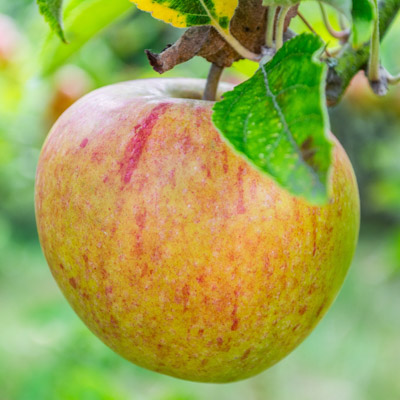
Cox’s Orange Pippin is one of the classic English apples and is widely regarded as one of the finest dessert apples ever grown. First discovered in England in the 19th century as a chance seedling, it has inspired apple growers and enthusiasts ever since. Cox is celebrated for its remarkable richness and complexity of flavour, making it a favourite among apple lovers and a benchmark against which many other varieties are judged.
Ribston Pippin, also known as Glory of York, is a historic English apple variety that was highly popular in Victorian times. It is known for its strong, aromatic flavour and has long been valued both as a dessert apple and for culinary uses. The variety is particularly interesting because it is widely believed to be the parent of the famous Cox’s Orange Pippin, sharing some of the same rich flavour characteristics.
Lord Lambourne is a classic English dessert apple introduced in 1907 and admired for its balanced flavour and juicy texture. It belongs to the tradition of high-quality aromatic English apples and offers a pleasant combination of sweetness, acidity, and refreshing juice. While it may not have the full complexity of later-season varieties, it remains a well-regarded apple with a distinctive and enjoyable flavour.
Bramley’s Seedling is the classic English cooking apple and is widely regarded as one of the finest culinary apples in the world. Known for its strong apple flavour and very high acidity, it is the traditional choice for many British apple dishes and bakery products. Its distinctive character makes it especially suited to cooking, where it creates light, fluffy purées and rich apple flavour.
Elstar is a popular European dessert apple developed in the Netherlands in the 1950s. Known for its balanced flavour and easy-eating character, it combines the sweetness of Golden Delicious with additional complexity and acidity from its other parent variety. Elstar is widely grown across Europe and appreciated for its pleasant sweetness, juicy texture, and reliable flavour.
Egremont Russet is a classic English apple from the Victorian era and one of the best-known russet varieties. Although russet apples have become less common in modern orchards, Egremont Russet remains popular with apple enthusiasts who appreciate its distinctive appearance and delicate flavour. Its unique character and balanced taste have helped it maintain a loyal following over the years.
Charles Ross is a classic English apple from the late Victorian period and is often admired for its handsome appearance and versatility. It combines qualities of both dessert and cooking apples, making it suitable for eating fresh, baking, or juicing. Its flavour develops with time after harvest, becoming sweeter while retaining some of the aromatic character inherited from its parent varieties.
Worcester Pearmain is an early-season English apple first developed in Worcester in the 1870s. It has long been appreciated for its distinctive flavour and attractive appearance, and it remains grown on a small commercial scale in England. The variety is especially known for its characteristic strawberry-like flavour, which has made it influential in the development of several later apple varieties.
Ashmead’s Kernel is a historic English apple variety dating back to the 1700s. Although its appearance is modest, it has remained popular for more than two centuries thanks to its distinctive and memorable flavour. It is valued by enthusiasts for its unusual taste and versatility, and it is widely appreciated for fresh eating as well as for juicing and cider making.
Blenheim Orange is a traditional English apple variety known mainly as a cooking apple. It has long been valued in British kitchens for its ability to cook into a rich, thick purée, making it especially suitable for classic dishes such as apple charlotte. In addition to cooking, it is also enjoyed fresh with cheese thanks to its sweet, nutty flavour and distinctive crumbly texture.